How to Maintain a Fence in Humid Climates: Expert Tips 2026
Master fence maintenance in Florida’s climate with Florida Cracker Services LLC. Prevent rot, rust, and humidity damage to keep your fence strong.
Florida is known for being relentlessly humid, which can be extremely hard on fences. The good news? A little regular maintenance can go a long way. Whether you’ve got a wood privacy fence, a vinyl fence, or aluminum fencing around the pool, understanding how Florida’s climate affects your fence and what you can do about it can add years to your investment.
That is precisely what this post will cover: from why Florida weather damages fences, material-specific care, a seasonal checklist, and when to call a pro.
Why Florida’s Climate is Tough on Fences
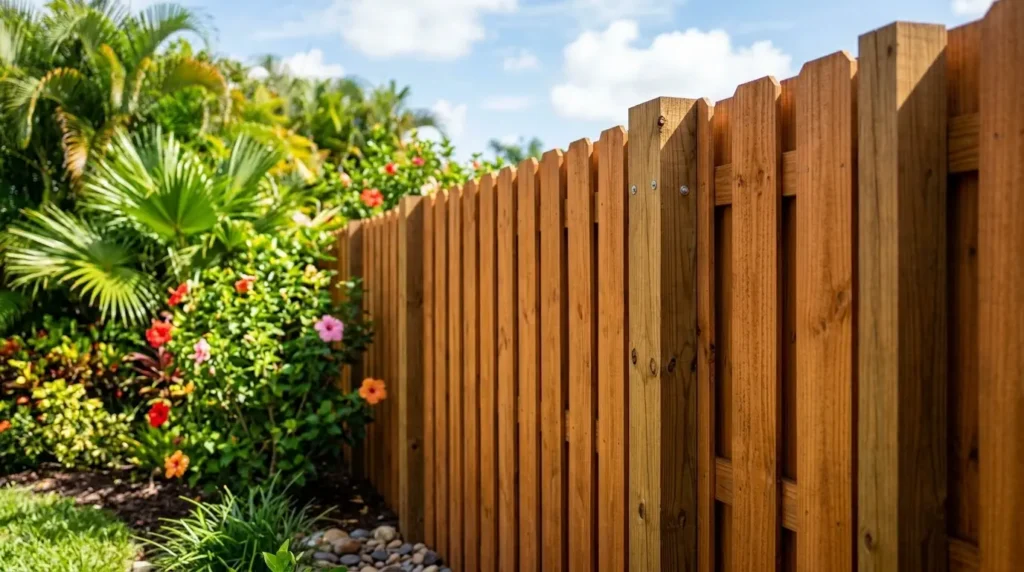
Florida’s weather can be extremely harsh – and your fence feels it more than almost anything on your property. Here’s how:
- Humidity damage and moisture buildup: constant moisture as a result of humidity is one of the biggest threats to your fence. Wood absorbs it, swells, and eventually warps or rots. Metal components rust faster. Even vinyl fencing,
- Mold growth and mildew buildup: You’ll often see mold growth or mildew show up as dark streaks or greenish film on fence posts and panels.
- UV exposure and sun damage: Long-term UV exposure can break down materials faster than in milder climate regions. Wood fences can lose their color and become brittle. Vinyl can fade or become chalky. Even the hardware holding your fence together can degrade faster under constant sun.
- Heavy rainfall and standing water: an intense downpour can leave water pooling around the base of the fence posts. If left untreated, it can cause wooden fences to rot and metal ones to corrode.
- Salt air corrosion: Salt air is a real concern for coastal areas. It accelerates rust on metal fences and can dull or damage finishes on wood and vinyl fences.
- Hurricane season and strong wind stress: Florida is prone to tropical storms and hurricanes, and the high winds can loosen posts, crack panels, and turn a fence in an already weakened condition into a hazard.
All of this combined is the reason why regular fence maintenance isn’t optional in Florida – it’s part of owning a property.
Fence Maintenance by Material
Different types of materials require different care, especially in climates like Florida; here is a checklist of how to keep each material in shape:
Wood Fence Maintenance
Wood fences require the most care in humid climates to prevent rot and keep your fence looking its best. Here’s a checklist to follow:
- Clean the fence at least twice a year to remove dirt, mold, and mildew buildup
- Inspect for soft or discolored wood, which signals early rot
- Reseal your fence every 1–2 years, depending on sun and rain exposure. Yearly sealing is a safe bet if your fence gets heavy weather exposure
- Repaint or restain as needed to maintain the protective barrier against moisture
- Keep vegetation trimmed back so air can circulate and wood can dry properly after rain.
Vinyl Fence Maintenance
Although vinyl holds up better against humidity than other materials, it still needs a maintenance routine to maintain its shape.
- Clean regularly with a mild soap and water solution, or a vinegar-water mix to deal with tough mold and mildew stains
- Use a soft brush rather than harsh scrubbing tools to avoid scratches.
- Check panels and posts after storms for cracks or warping.
- Avoid pressure washing on high settings, as it can damage the finish over time.
Aluminum Fence Maintenance
Aluminum fences are popular among Florida homeowners, especially near the coast. Here’s a simple checklist most homeowners follow:
- Rinse off salt residue regularly if you’re near the water.
- Inspect for rust spots, especially around welds and joints.
- Tighten hardware periodically, since humidity and temperature swings can loosen screws and fasteners over time.
- Touch up scratched paint or coating quickly to prevent rust from starting.
Chain Link Fence Maintenance
Similar to aluminum fence, it is a durable choice considering the climate. Here’s how you can keep it safe from Florida’s weather:
- Watch for rust, particularly at ground level where moisture collects.
- Clean off dirt and grime that trap moisture against the metal.
- Check tension and tighten hardware as needed, since posts can shift slightly with wet/dry cycles.
- Apply a rust-inhibiting coating if you start noticing early corrosion.
Seasonal Fence Maintenance Checklist
Here’s a simple seasonal fence maintenance checklist you can follow to stay on track:
| Task | Frequency | Best Season |
| Visual inspection (posts, panels, hardware) | Every 3 months | Year-round |
| Cleaning (dirt, mold, mildew) | 2x per year | Spring & Fall |
| Tightening hardware | 2x per year | Spring & Fall |
| Sealing/staining (wood) | Every 1–2 years | Dry season |
| Rust check & treatment (metal) | 2x per year | Spring & Fall |
| Drainage check around posts | Before rainy season | Late Spring |
| Storm prep inspection | Before hurricane season | Early Summer |
| Post-storm damage check | After major storms | As needed |
Sticking to a schedule like this can help catch small issues before they escalate into widespread damage.
Hurricane Season Fence Prep
Hurricane season in Florida runs from June to November, and an already compromised fence by sun exposure or humidity is more likely to fail from heavy rain and strong winds. This is why a little prep work beforehand can save you from full fence replacement after a storm.
Before the storm:
- Check post stability by giving it a firm push to inspect for any looseness or rot.
- Tighten any loose hinges, hardware, or fasteners.
- Trim back trees or branches that can fall on the fence.
- Remove or secure any gates, decorative panels, or attachments that could catch wind
- Fix small issues like cracked boards fence, rust spots, and loose panels now rather than during storm prep week, when contractors get booked up fast
After the storm:
- Walk the full fence line and check for leaning or shifted posts
- Look for cracked, splintered, or missing panels
- Check hardware again — high winds can loosen it further
- Note any standing water around the base, which can cause damage even after the storm passes
- Take photos of any damage for insurance purposes before starting repairs
A fence that’s properly maintained year-round is naturally more storm-resistant. This is really where the seasonal checklist and hurricane prep work together.
How to Protect Your Fence from Humidity Long Term
Protecting your fence against humidity comes down to three main things: sealing, drainage, and airflow.
Sealing and Coating
A good sealant is your fence’s first line of defence against moisture. For a wooden fence, this means reapplying sealant or stain on a consistent schedule rather than waiting for damage to be visible, and for metal, a rust-inhibiting coating does the same job.
Drainage Matters More Than You Think
Grade your yard or add gravel around the fence line to prevent water from pooling around the base. This can make a big difference in ensuring the longevity of your fence.
Airflow and Vegetation Control
Trim back plants and vines so air can circulate the fence. This helps in making sure the fence stays dry between rain events
Fence Lifespan Guide in Florida
Florida’s climate shortens the average lifespan of fences compared to those in drier states. But how long yours will alst depend entirely on the material and maintenance routine. Here’s a realistic breakdown:
| Material | Typical Lifespan in Florida | Notes |
| Wood | 7–15 years | Shortest lifespan without consistent sealing/staining |
| Vinyl | 20–30 years | Highly resistant to humidity and pests |
| Aluminum | 20+ years | Minimal rust risk if coating is maintained |
| Chain Link | 15–20 years | Needs rust monitoring, especially in coastal areas |
What shortens a fence’s lifespan:
- Skipping regular sealing or coating
- Standing water at post bases
- Coastal salt exposure without rinsing/maintenance
- Storm damage left unrepaired
- Poor initial installation (shallow posts, wrong materials for the environment)
What extends it:
- Sticking to a seasonal maintenance schedule
- Addressing small damage before it spreads
- Choosing climate-appropriate materials from the start
- Proper drainage and landscaping around the fence line
DIY vs. Professional Fence Maintenance
A lot of fence care is well within reach for most homeowners — cleaning, basic inspections, tightening visible hardware.
But there are times when calling in a professional makes more sense than tackling it yourself.
What you can usually handle yourself:
- Routine cleaning and mold/mildew removal
- Visual inspections
- Minor hardware tightening
- Trimming vegetation near the fence line
- Basic sealant touch-ups on small areas
When it’s time to call a professional:
- You notice leaning, shifting, or unstable posts
- There’s significant rot, rust, or structural damage
- Storm damage affects multiple sections or panels
- You’re unsure whether damage is cosmetic or structural
- It’s been years since the fence was professionally inspected or resealed
- You’re installing a new fence and want it built to withstand Florida conditions from the start
Catching problems early is far cheaper than replacing an entire fence section or the whole fence later.
If you’re ever unsure whether an issue is minor or serious, it’s worth getting a professional opinion before Florida’s weather decides for you – reach out today!
FAQs – Fence Maintenance Florida Climate
How often should a fence be maintained in Florida?
At minimum, twice a year with extra inspections before and after hurricane season.
How do I protect my fence from Florida humidity?
Improve drainage, keep up with sealing/coating, maintain airflow around the fence, and address mold quickly.
What is the best way to prevent wood rot?
Regular sealing, good drainage, and keeping the fence clear of trapped moisture from vegetation or standing water.
Does salt air damage fences?
Yes, salt air accelerates rust on metal and can dull finishes on wood and vinyl, especially in coastal areas.
How do I clean a vinyl fence?
Use mild soap and water or a vinegar-water solution with a soft brush; avoid high-pressure washing.
Should I seal a wood fence every year?
Yearly sealing is recommended for fences with heavy sun or rain exposure; every 1–2 years otherwise.
How can I prepare my fence for hurricane season?
Inspect and tighten hardware, trim nearby vegetation, secure gates, and patch existing damage before storms hit.
Which fence material needs the least maintenance?
Vinyl and aluminum generally require the least upkeep in Florida’s climate.
How long does a fence last in Florida?
Anywhere from 7–30+ years depending on material, with vinyl and aluminum lasting longest.
When should I hire a fence maintenance professional?
When you notice structural issues, significant storm damage, or if it’s been years since a professional inspection.
Conclusion
Florida’s climate doesn’t make fence ownership easy. Between the humidity, sun, salt air, and hurricane season, your fence is constantly under pressure.
But with a consistent maintenance routine and the right care for your specific fence material, you can add years to its life and avoid costly surprises down the road.
Not sure what condition your fence is really in? Florida Cracker Services LLC offers professional fence inspections and maintenance built specifically for Florida’s climate.
Contact us now to schedule a visit and keep your fence standing strong for years to come.