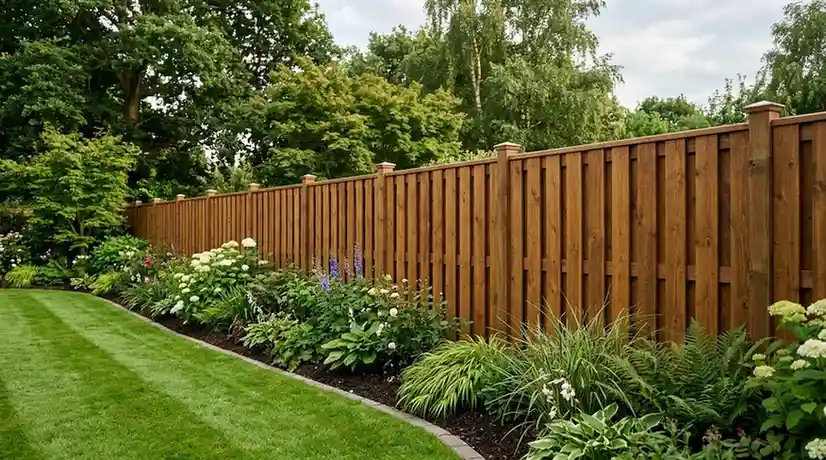
Florida Cracker Services LLC breaks down board fence types, privacy levels, pros and cons, and maintenance tips to help you choose the right fence contractor for your home.
As a fencing team that has installed, repaired, and inspected wood fencing across Florida for years, we can tell you that a board fence remains one of the most popular privacy solutions for homeowners — but it’s not a one-size-fits-all decision. Board type, spacing, climate exposure, and maintenance habits all affect how well a board fence performs over time. This guide breaks down what a board fence actually is, the different styles available, how well it holds up in Florida’s climate, and what to consider before choosing one for your property.
A quick note on how this guide is structured: each section answers one specific question directly, then expands with useful detail. That format makes it easier to scan on a phone and easier for search tools to summarize accurately — which matters, since more homeowners are researching fencing decisions through search today.
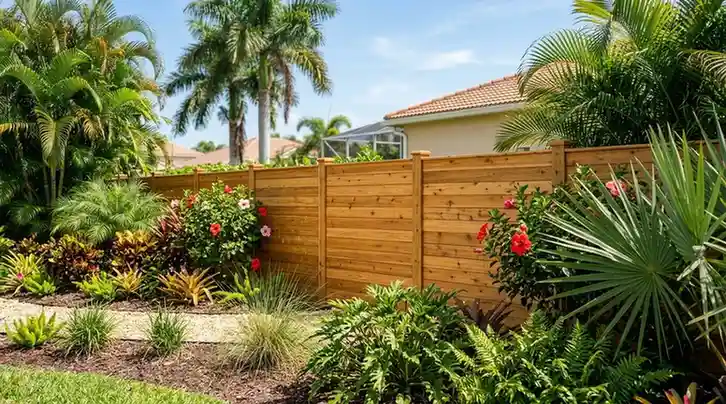
What Is a Board Fence?
What a Board Fence Is
A board fence is a wood fencing system built from individual vertical or horizontal boards attached to a structural frame of posts and rails, commonly used for residential privacy and property boundary definition.
How a Board Fence Is Constructed
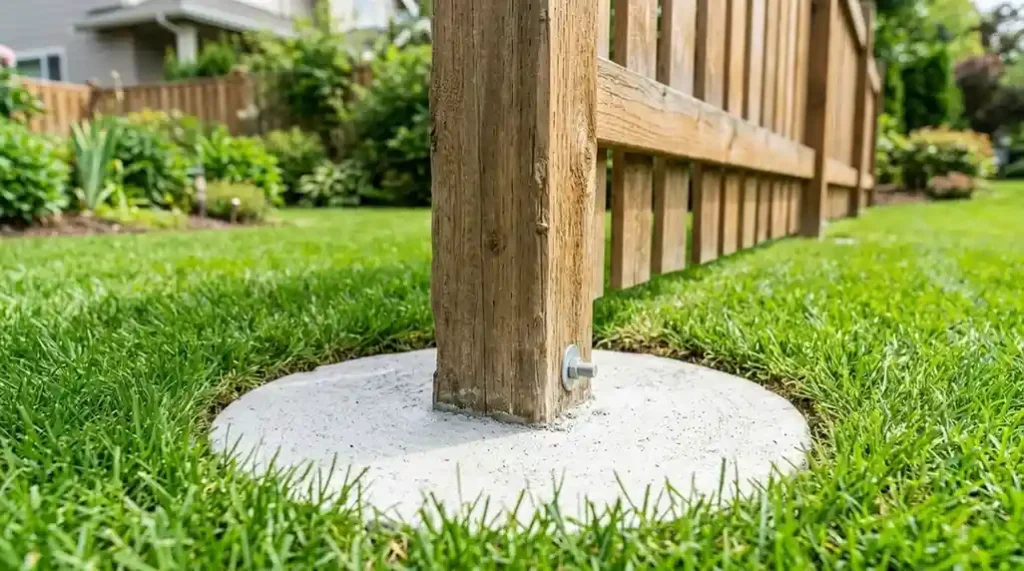
Board fencing is built by setting fence posts into concrete footings at consistent post spacing, attaching horizontal rails between the posts, then securing individual fence boards to those rails using galvanized hardware for weather resistance.
Main Components of a Board Fence
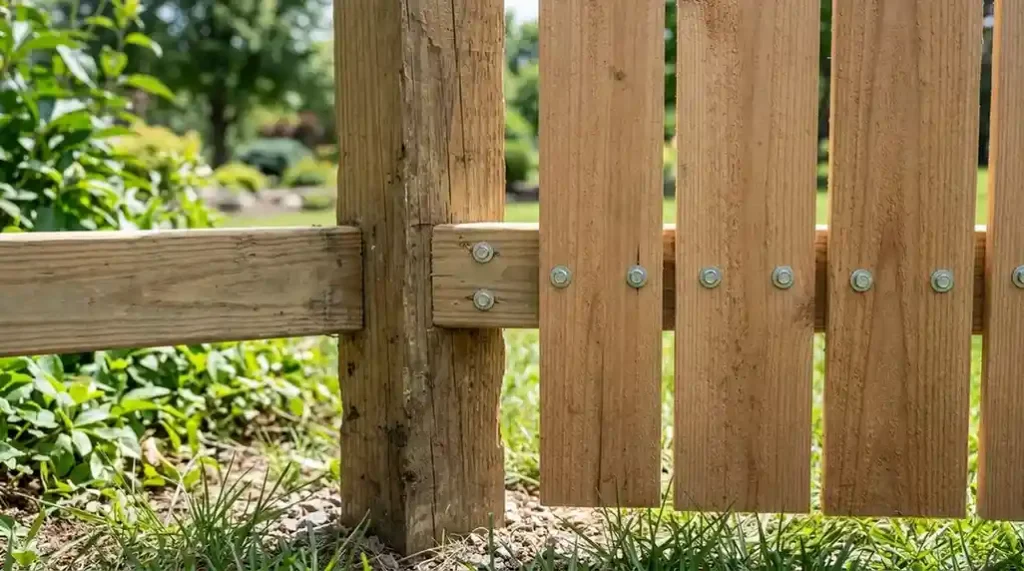
A board fence typically includes posts, rails, boards, post anchors, and gate hardware where applicable. The quality of each component — particularly post depth and rail spacing — has a direct impact on the fence’s structural stability over time.
What Are the Different Types of Board Fences?
Vertical Board Fencing
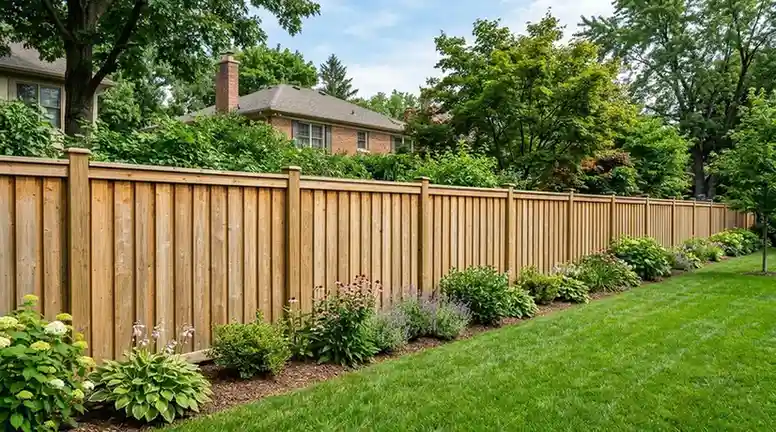
Vertical board fencing is the traditional layout most homeowners picture, with boards running top to bottom for a classic residential appearance.
Horizontal Board Fencing
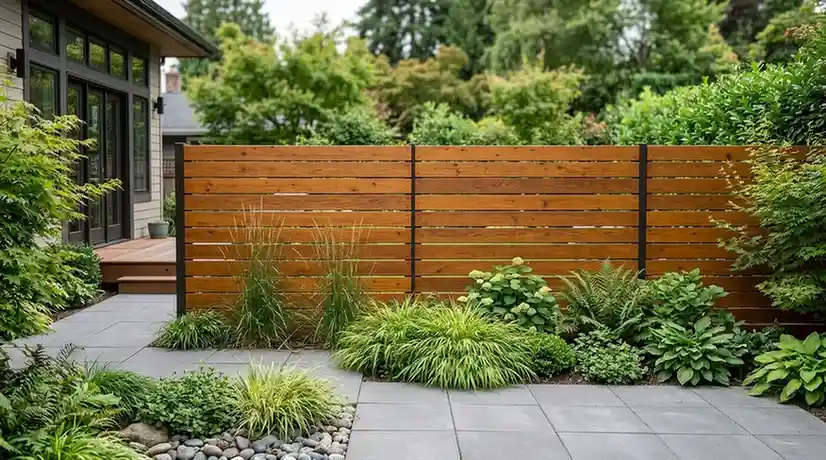
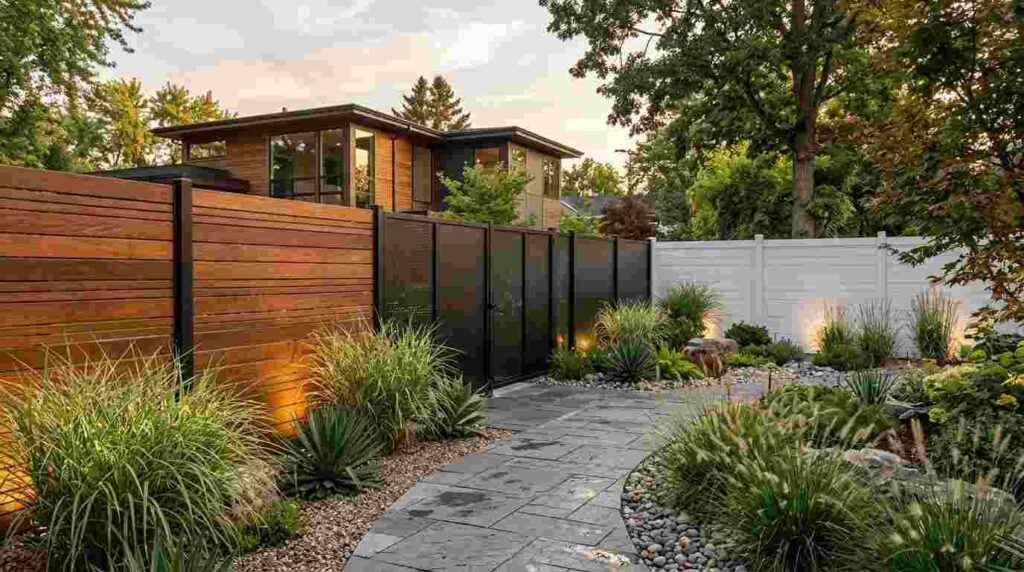
Horizontal board fencing arranges boards side to side for a more modern, contemporary look that’s gained popularity in newer Florida neighborhoods.
Solid Board Fencing
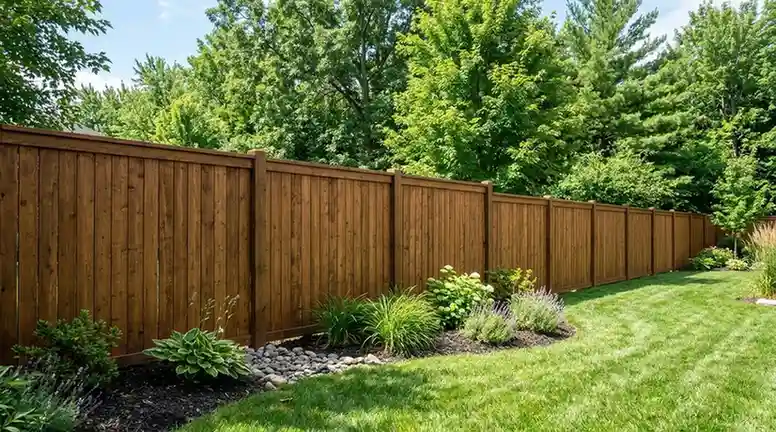
Solid board fencing places boards tightly together with little to no gap, maximizing privacy and creating a strong visual barrier.
Decorative Board Fencing
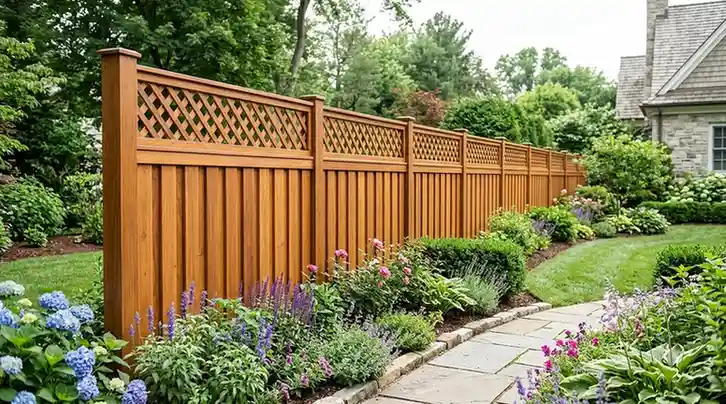
Decorative board fence designs incorporate trim details, alternating heights, or lattice toppers for added curb appeal beyond basic function.
Traditional Board Fence Designs
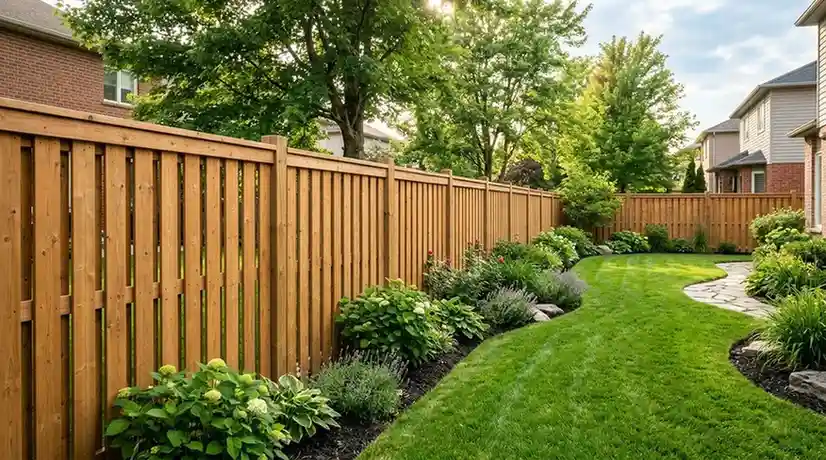
Traditional board fence styles favor simple, uniform board spacing and natural wood tones, offering a timeless look that suits most residential properties.
Why Do Homeowners Choose Board Fencing?
Privacy
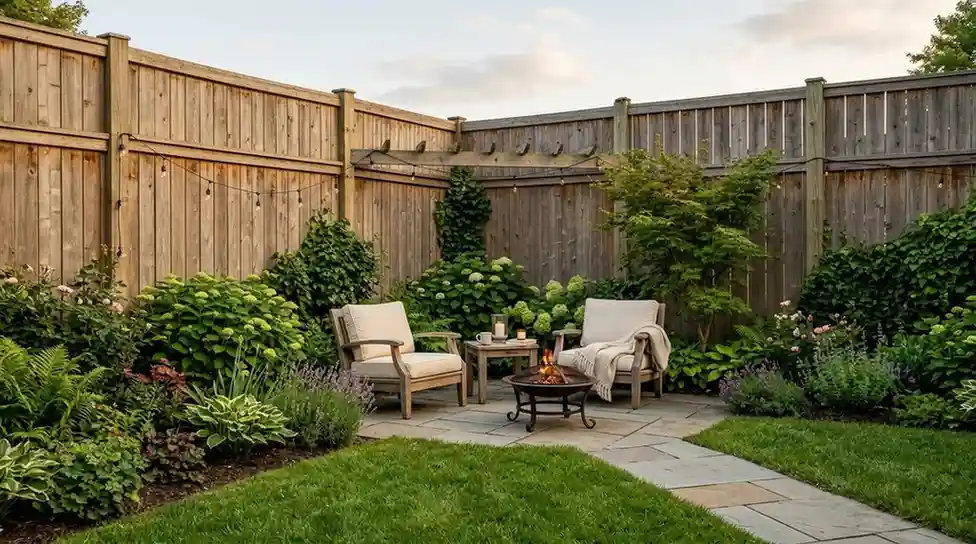
A board privacy fence creates a strong visual barrier, shielding backyards from neighbors and street view.
Natural Appearance
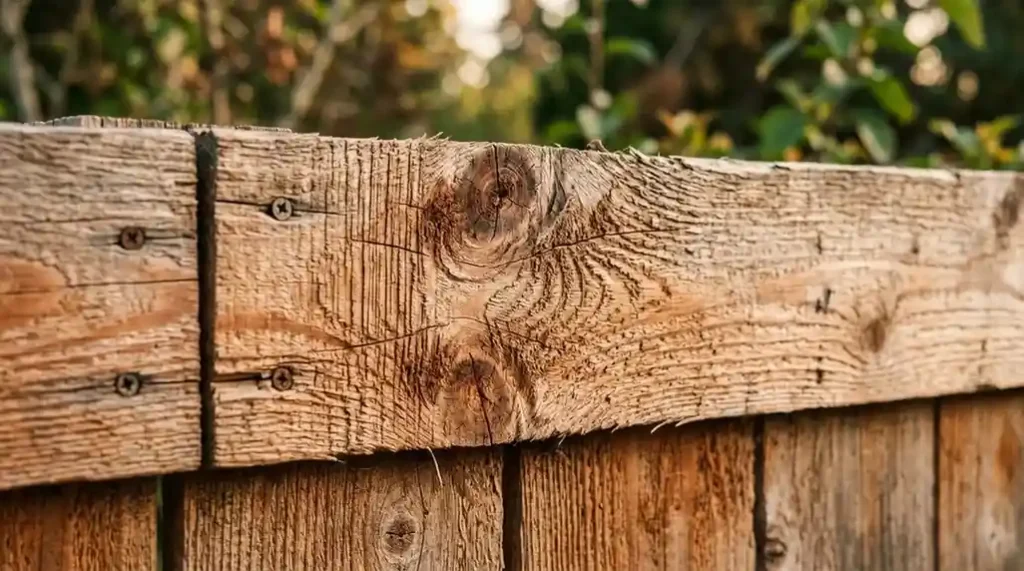
Wood board fencing offers a natural, traditional appearance that many homeowners prefer over vinyl or metal alternatives.
Customizable Design
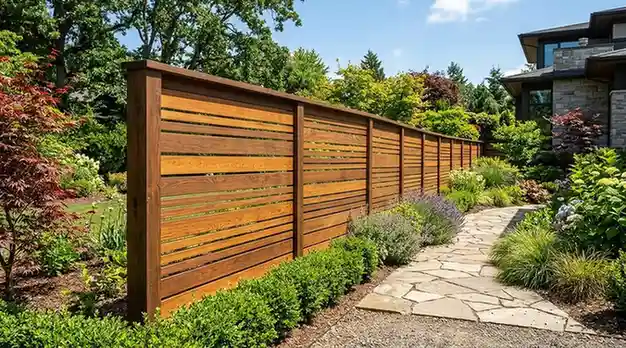
Board fence designs can be customized in height, board spacing, and finish, allowing homeowners to match their property’s specific style.
Property Separation
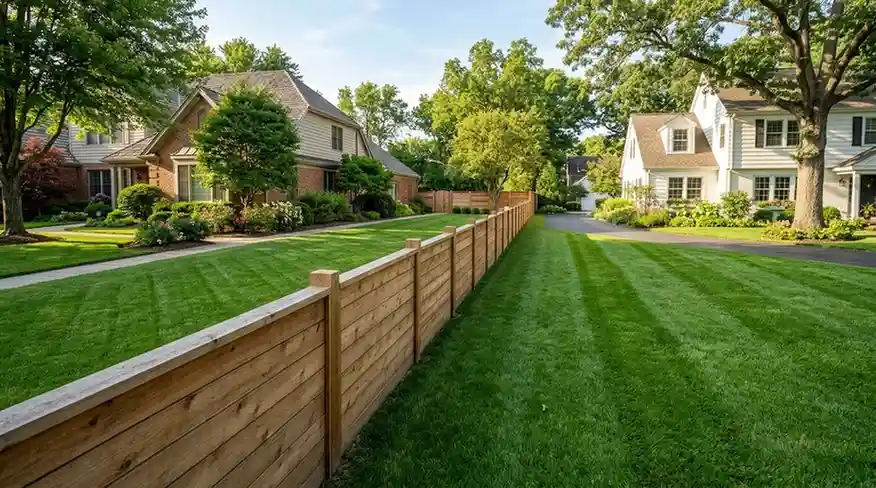
A board fence clearly marks property boundaries, which is especially useful for larger residential lots or properties bordering neighbors.
Curb Appeal
A well-maintained board fence adds curb appeal and can positively influence how a property is perceived from the street.
Does a Board Fence Provide Good Privacy?
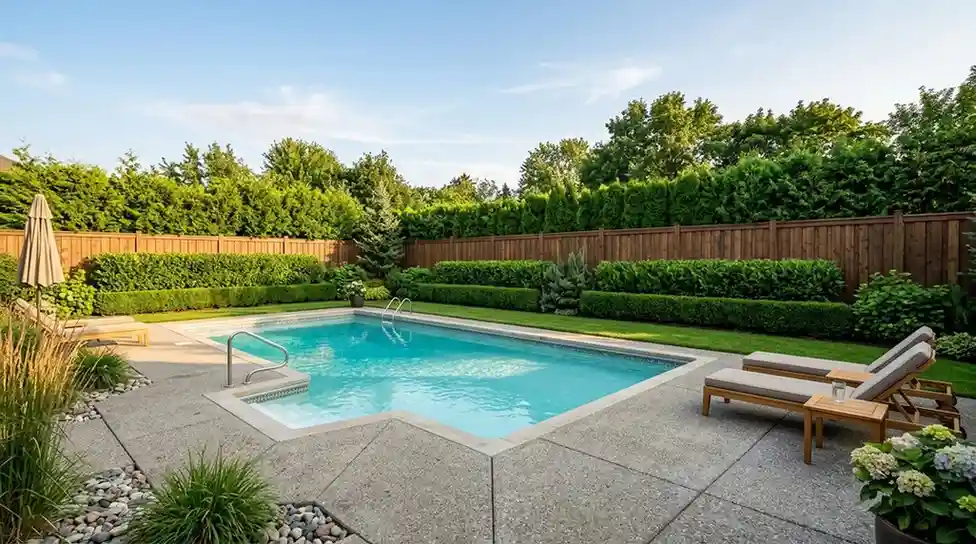
Yes — when built with solid board configuration and minimal gaps, a board fence provides strong visual privacy for backyards and outdoor living spaces.
Solid Board Configuration
Boards installed tightly, edge to edge, eliminate sightlines and maximize privacy.
Board Spacing and Privacy
Wider board spacing allows more airflow and light but reduces privacy, while tighter spacing does the opposite — this is a key design trade-off to consider upfront.
Fence Height and Visibility
Taller board fences (typically 6 feet for residential backyards) further reduce visibility from neighboring properties and the street.
Privacy for Backyards
Board fencing is a common choice specifically for backyard privacy, especially around pools, patios, and other outdoor living spaces where seclusion matters.
What Are the Advantages and Disadvantages of Board Fencing?
Main Advantages
Board fencing offers strong privacy, natural appearance, and design flexibility, along with the ability to customize height and board spacing to match specific needs.
Potential Disadvantages
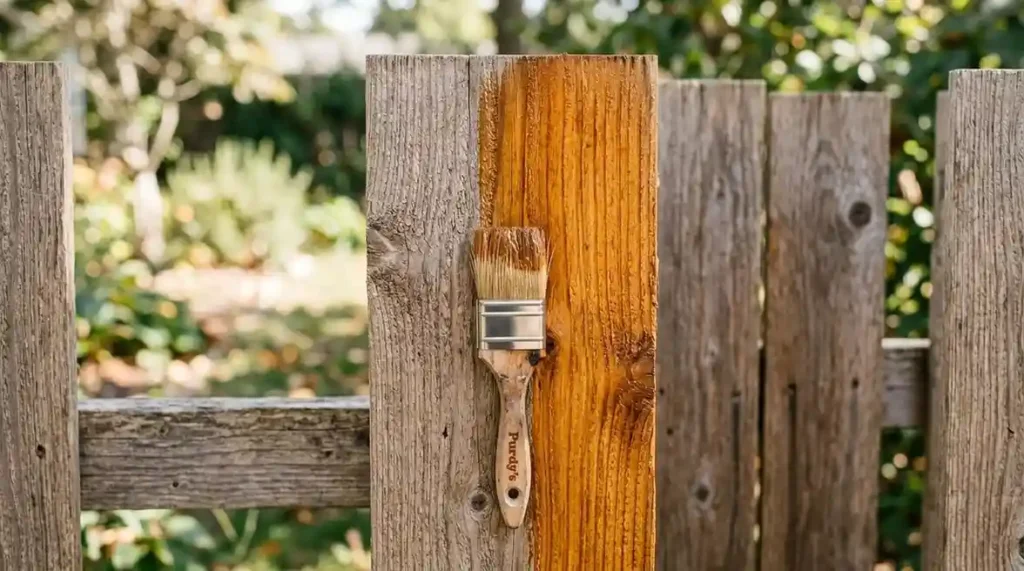
Board fencing requires more ongoing maintenance than vinyl or aluminum alternatives and is more susceptible to moisture-related wood deterioration if not properly cared for.
Maintenance Requirements
Routine staining, sealing, and post inspection are necessary to keep a board fence structurally sound and visually appealing over time.
Long-Term Considerations
Homeowners should weigh the natural aesthetic and privacy benefits of board fencing against the maintenance commitment required to protect the investment long-term.
How Long Does a Board Fence Last?
A well-built and properly maintained board fence typically lasts 15 to 20 years, though several factors influence that range significantly.
Factors Affecting Lifespan
Wood Quality
Cedar fence boards naturally resist rot and insects better than untreated pine, often extending overall fence lifespan.
Moisture Exposure
Consistent exposure to standing water or poor drainage accelerates wood deterioration and post rot.
Sun Exposure
Prolonged UV exposure causes fading and can weaken wood fibers over time if the fence isn’t properly sealed.
Maintenance
Regular staining and sealing significantly extend a board fence’s usable lifespan by protecting against moisture and sun damage.
Post and Foundation Condition
Since posts bear the structural load of the entire fence, post rot or instability is often the limiting factor in a board fence’s overall lifespan.
How Do You Maintain a Board Fence?
Cleaning
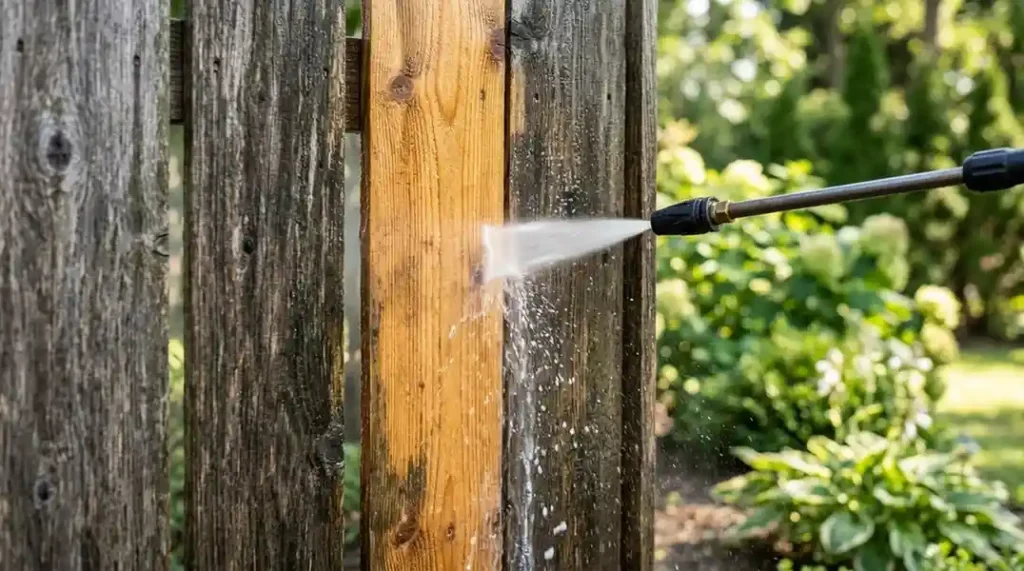
Periodic washing removes dirt, mold, and mildew buildup that can trap moisture against the wood.
Staining and Sealing
Applying stain or sealant every one to two years protects boards from moisture absorption and sun damage — one of the most important board fence maintenance tips.
Inspecting Fence Posts
Checking posts annually for movement, rot, or instability helps catch structural problems before they worsen.
Replacing Damaged Boards
Promptly replacing cracked or warped boards prevents further moisture intrusion and keeps the fence line structurally consistent.
Preventing Moisture Damage
Ensuring proper drainage around post footings reduces the risk of long-term moisture damage and rot.
Checking After Severe Weather
Inspecting the fence after storms or heavy wind helps identify loose boards, leaning posts, or hardware damage early.
What Problems Can Happen With a Board Fence?
Understanding common board fence problems helps homeowners catch issues early, before they require major repairs.
- Wood rot — typically caused by prolonged moisture exposure at the base of posts or boards
- Cracked boards — often the result of sun exposure and natural wood drying over time
- Warping — commonly caused by uneven moisture absorption, especially in lower-quality lumber
- Leaning posts — usually a sign of post rot, poor footing depth, or soil erosion
- Loose boards — frequently caused by hardware corrosion or wood shrinkage
- Fading and discoloration — a natural result of UV exposure, especially without regular sealing
- Storm damage — wind-driven debris or high winds can loosen boards or compromise post stability
Knowing how to protect wood fence boards — through sealing, drainage management, and prompt repairs — is the most effective way to prevent these issues from escalating.
Is a Board Fence a Good Choice for Florida?
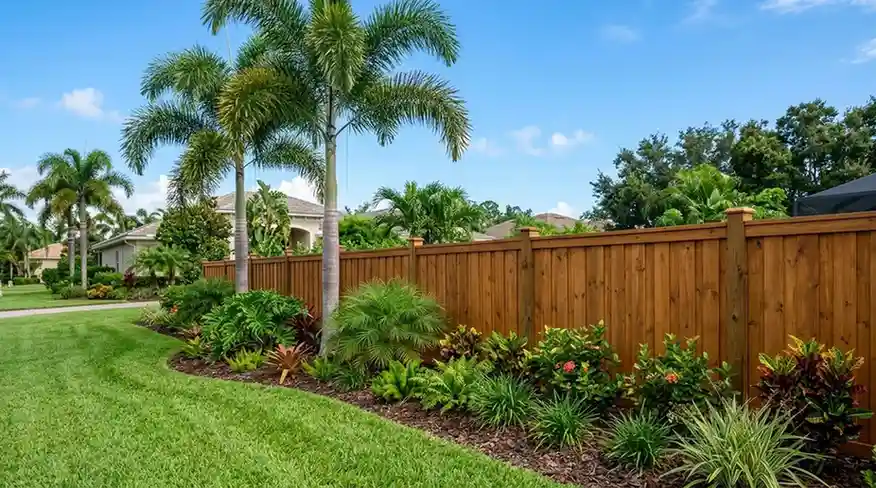
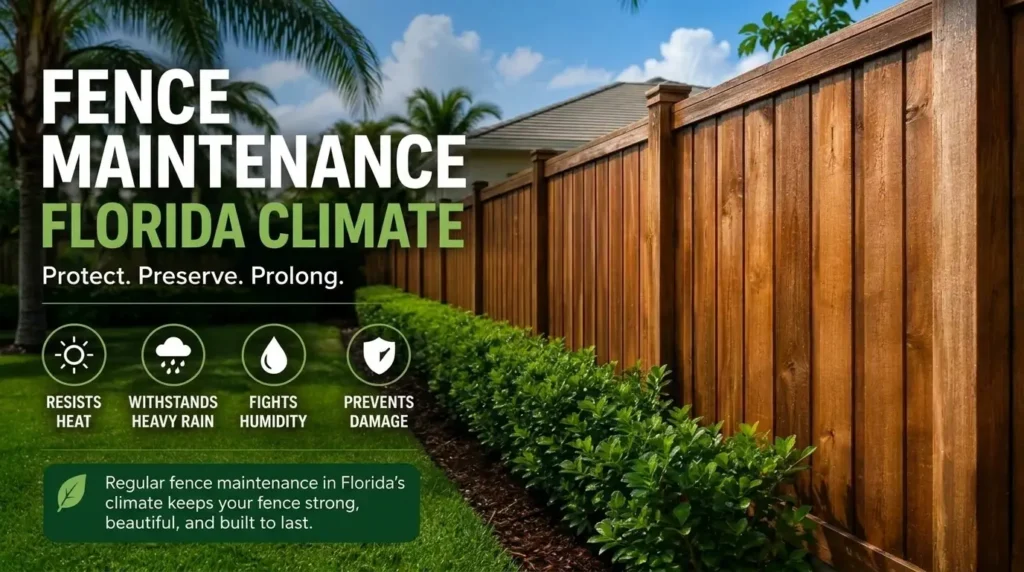
Board fencing can perform very well in Florida when the right wood type and maintenance routine are used, though the state’s climate does present specific challenges worth understanding.
Humidity
Florida’s high humidity increases the risk of moisture-related wood damage, making sealing and drainage especially important.
Heavy Rainfall
Frequent rainfall raises the risk of post rot if footings aren’t properly installed with adequate drainage.
Sun Exposure
Intense Florida sun accelerates fading and can dry out wood fibers faster than in milder climates, making regular sealing more important.
Moisture and Wood Rot
The combination of humidity and rainfall makes moisture management the single most important factor in how long a board fence lasts in Florida.
Wind and Storms
Board fences should be built with adequate post depth and quality hardware to hold up against Florida’s wind and storm exposure.
Importance of Proper Maintenance
Given Florida’s climate demands, consistent staining, sealing, and post inspection are essential — arguably more important here than in drier regions of the country.
How Does a Board Fence Compare With Other Fence Types?
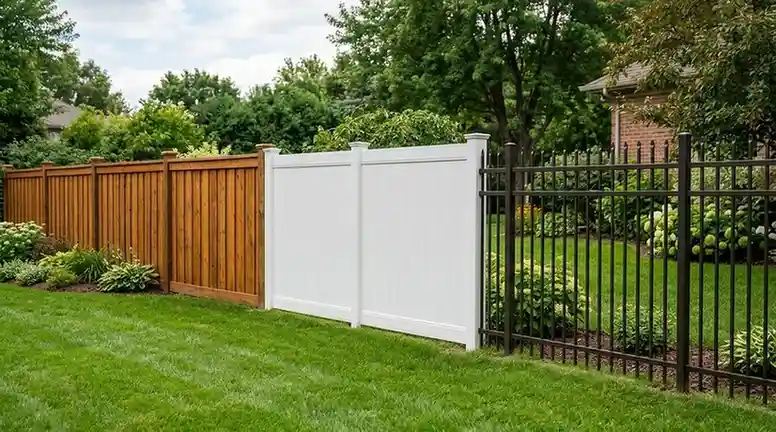
Board Fence vs Vinyl Fence
Board fencing offers a more natural appearance but requires more maintenance than vinyl, which never needs staining or sealing.
Board Fence vs Aluminum Fence
Board fencing provides stronger privacy than most aluminum fence styles, though aluminum generally requires less long-term upkeep.
Board Fence vs Chain Link
Board fencing offers significantly more privacy and a more finished appearance compared to chain link, though chain link typically costs less upfront.
Board Fence vs Privacy Fence
“Privacy fence” often refers broadly to solid board fencing itself, though other privacy fence materials (vinyl, composite) offer similar seclusion with different maintenance profiles.
What Should You Consider Before Choosing a Board Fence?
- Desired privacy level — solid board spacing offers maximum privacy, while wider spacing allows more airflow
- Fence height — taller fences increase privacy but may be subject to local height restrictions
- Property layout — irregular lot lines or slopes can affect installation complexity
- Wood type — cedar offers better natural durability, while pressure-treated pine is often more budget-friendly
- Local climate — Florida’s humidity and rainfall should directly influence wood selection and sealing frequency
- Maintenance expectations — board fencing requires more ongoing care than vinyl or aluminum alternatives
- Budget — material choice, fence height, and design complexity all affect overall project cost
- Design preferences — vertical, horizontal, solid, or decorative styles each offer a different aesthetic outcome
Frequently Asked Questions About Board Fences
What is a board fence?
A board fence is a wood fencing system made of individual boards attached to a post-and-rail frame, commonly used for residential privacy and boundary definition.
Is a board fence good for privacy?
Yes. When built with solid board spacing and adequate height, a board fence offers strong visual privacy for backyards and outdoor living spaces.
How long does a board fence last?
A well-maintained board fence typically lasts 15 to 20 years, depending on wood quality, climate exposure, and maintenance consistency.
Is a board fence good for Florida weather?
Yes, with proper wood selection and regular maintenance. Florida’s humidity and rainfall make sealing and drainage management especially important.
How do you maintain a board fence?
Routine cleaning, staining or sealing every one to two years, post inspections, and prompt board replacement all help maintain a board fence long-term.
What causes a board fence to rot?
Prolonged moisture exposure, poor drainage around posts, and lack of regular sealing are the most common causes of wood rot.
What type of wood is best for a board fence?
Cedar is prized for its natural rot and insect resistance, while pressure-treated pine offers strong durability at a more affordable price point.
How tall should a board fence be?
Six feet is a common height for residential backyard privacy, though local regulations and HOA guidelines may set specific height limits.
Is a board fence better than a vinyl fence?
It depends on priorities — board fencing offers a more natural look, while vinyl requires significantly less long-term maintenance.
How often should a wood board fence be stained?
Most wood board fences should be stained or sealed every one to two years, particularly in humid climates like Florida.
A board fence can be an excellent long-term investment when the right wood type, design, and maintenance routine are matched to your property and climate. If you’d like to explore Custom Fence Installation Florida options, learn more about our team at About Florida Cracker Services LLC, or browse our full Professional Fencing Services Florida lineup — including Fence Repair Services for existing wood fencing that needs attention — our team is ready to help. You can also view real examples of completed projects in our Custom Fence Design Portfolio Florida.