
As a fencing team that has installed and repaired hundreds of residential and commercial fences across Florida, we get one question more than almost any other: is an aluminum fence actually the right choice for my property? The short answer is that aluminum fencing is one of the most durable, low-maintenance, and design-flexible fencing materials available today — but the right fit depends on your goals, budget, and property type. This guide breaks down everything you need to know about aluminum fencing, from how it’s built to how it compares against wood, vinyl, steel, and chain link, so you can make an informed decision before you ever request a quote.
A quick note on how this guide is built: each section below is written to answer one specific question directly and clearly — the same structure that works well for readers skimming on a phone and for AI search tools summarizing the page. Short, direct answers first, followed by useful detail.
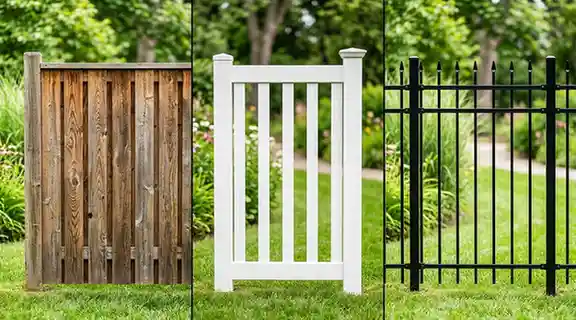
What Is an Aluminum Fence?
An aluminum fence is a metal fencing system made from lightweight, corrosion-resistant aluminum rails, pickets, and posts, typically finished with a powder-coated surface for added protection and color retention.
How Aluminum Fencing Is Built
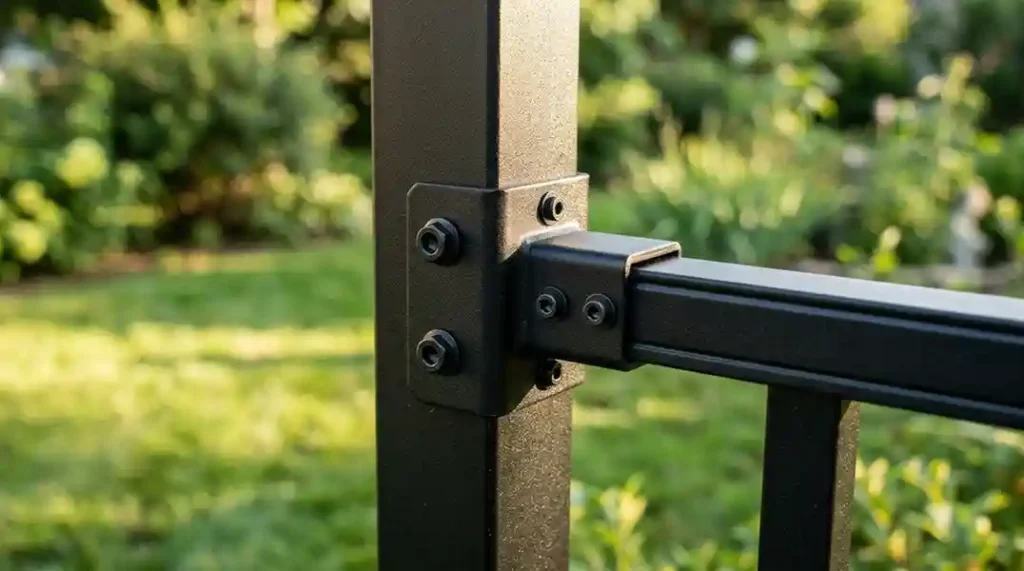
Most residential aluminum fence panels are constructed from extruded aluminum rails and vertical pickets, secured to posts using a screw-and-bracket or rivet system. The powder-coated aluminum finish resists chipping, fading, and rust far better than raw metal, which is why aluminum fencing holds its appearance for years with minimal upkeep.
Common Residential Applications
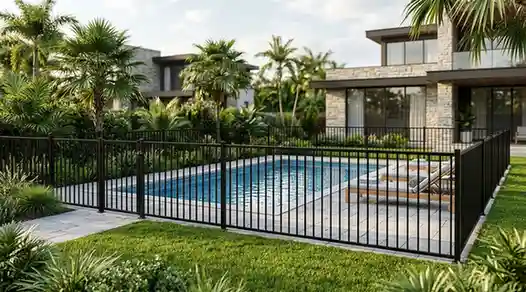
Homeowners commonly use aluminum fencing for pool enclosures, backyard perimeter fencing, front yard boundary fencing, and decorative garden fencing. It’s also a frequent choice for HOA-friendly fencing, since many communities favor its clean, uniform appearance.
Why Homeowners Choose Aluminum Fencing
Is Aluminum Fencing Durable?
Yes. Aluminum fencing is built to resist bending, cracking, and warping, making it one of the more durable fencing materials for Florida’s climate.
How Much Maintenance Does an Aluminum Fence Require?
Very little. Unlike wood, aluminum fencing never needs sealing, staining, or repainting. A simple rinse with a garden hose a few times a year is typically enough to keep it looking new.
Does Aluminum Fencing Rust?
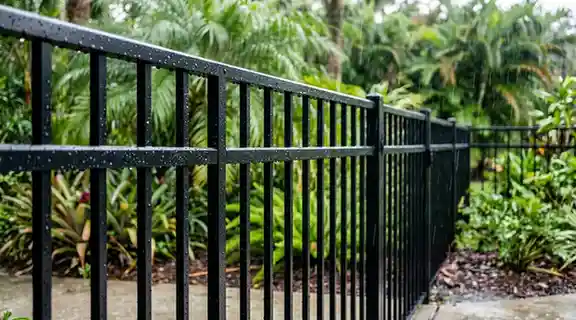
No — this is one of the biggest advantages of aluminum over steel or wrought iron. Aluminum naturally resists rust and corrosion, and the powder-coated finish adds an additional layer of protection, making it well-suited to Florida’s humidity and coastal air.
How Long Does an Aluminum Fence Last?
With proper installation, a quality aluminum fence can last 20 to 30 years or longer, since it isn’t vulnerable to rot, termites, or rust the way wood and untreated metal fencing can be.
Popular Aluminum Fence Styles
Flat Top
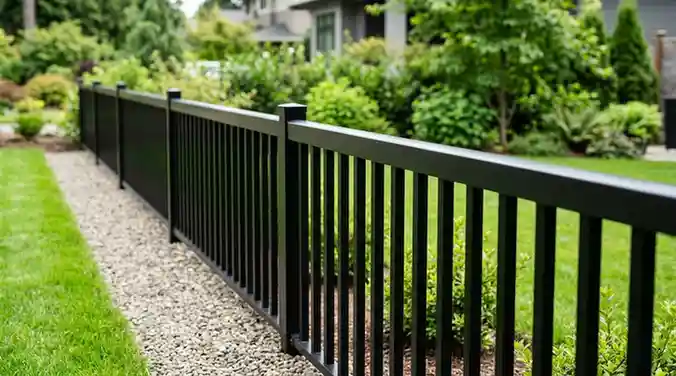
A flat top aluminum fence features straight, level pickets for a clean, modern look — a popular choice for front-yard and perimeter fencing.
Pressed Spear
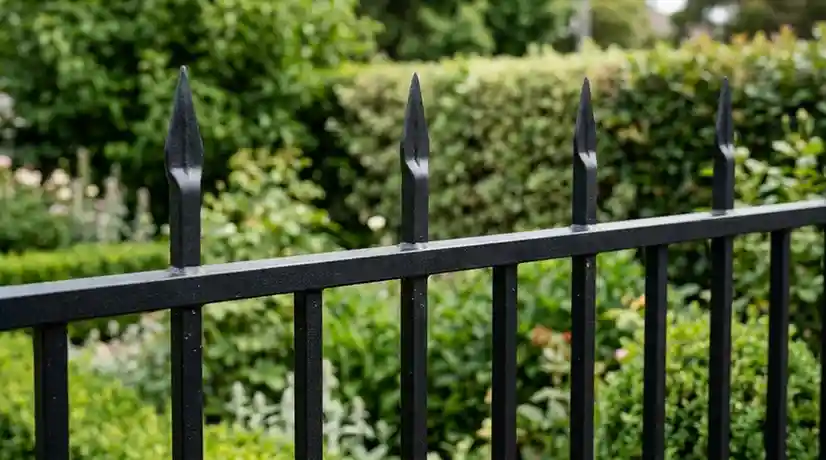
Pressed spear aluminum fencing includes decorative pointed picket tops, giving the fence a more traditional, ornamental appearance often used for security fencing.
Puppy Picket
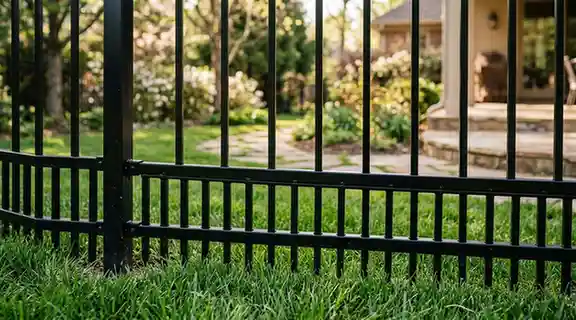
Puppy picket style adds a lower horizontal rail between the ground and the first rail, closing gaps to help keep small pets safely contained — a favorite among pet owners.
Pool Fencing
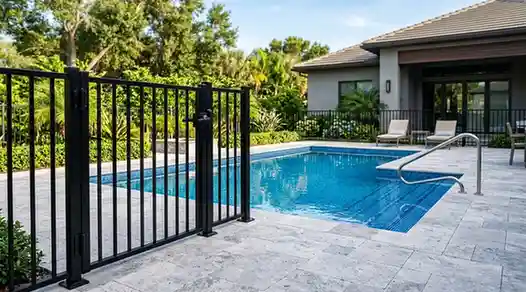
Aluminum pool fence panels are widely used because they meet common pool safety code requirements while remaining lightweight, rust-resistant, and low maintenance.
Aluminum Fence vs Other Fence Materials
Choosing the right material often comes down to a direct comparison. Here’s how aluminum fencing stacks up.
| Comparison | Aluminum Fence | Alternative Material |
|---|---|---|
| Aluminum vs Wood | Rust-proof, no sealing or staining required, longer lifespan | Wood offers a natural look but needs regular sealing and is prone to rot and termites |
| Aluminum vs Vinyl | More design variety (spear, flat top styles), better airflow visibility | Vinyl offers more privacy fence but limited style range |
| Aluminum vs Steel | Lighter weight, naturally rust-resistant, easier installation | Steel is stronger but heavier and more prone to corrosion without coating |
| Aluminum vs Chain Link | More attractive, higher curb appeal, similar low maintenance | Chain link is typically lower cost but offers less visual appeal |
Is Aluminum Fencing Better Than Wood?
For homeowners who want low maintenance and long-term durability without the upkeep of sealing and staining, aluminum fencing is generally the better long-term investment. Wood may still be preferred for maximum privacy or a natural aesthetic.
Is Aluminum Fencing Stronger Than Vinyl?
Aluminum fencing generally offers better structural rigidity than vinyl, particularly in high-wind conditions, though both are considered durable, low-maintenance options.
Where Aluminum Fences Work Best
Backyards
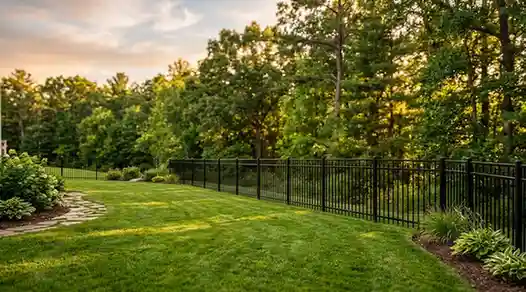
Aluminum fencing is a strong option for backyard perimeter fencing, offering security and boundary definition without blocking views of the yard.
Pools
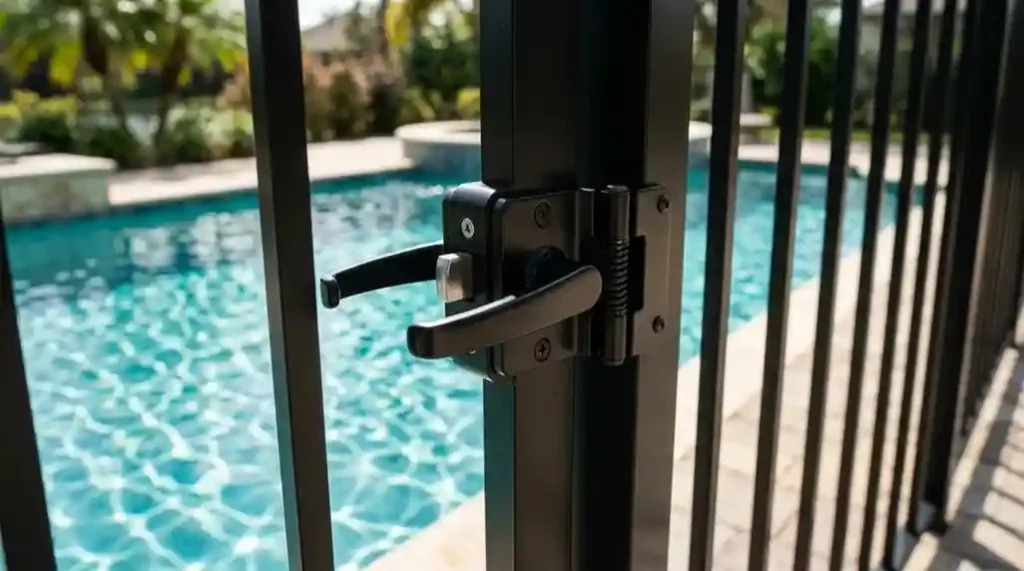
Because it’s rust-resistant and available in pool-code-compliant styles, aluminum fencing is one of the most popular choices for pool enclosures.
Commercial Properties
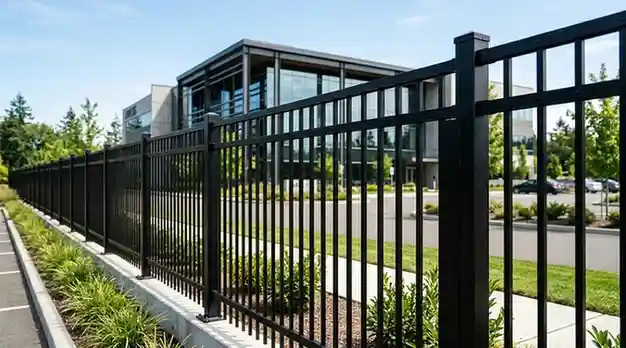
Business owners and property managers often choose commercial aluminum fence systems for their durability, professional appearance, and low long-term maintenance costs.
Gardens
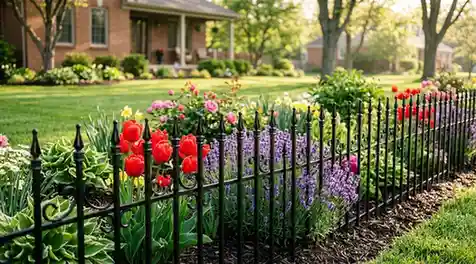
Decorative aluminum garden fencing offers a lightweight, attractive way to define planting areas or keep pets out of landscaped spaces.
How Long Does an Aluminum Fence Last?
As noted above, a properly installed aluminum fence commonly lasts two to three decades. Its lifespan is driven primarily by the quality of the powder-coated finish, the strength of the post installation, and routine basic care — not by exposure to moisture or pests, which are the primary threats to wood fencing.
How to Maintain an Aluminum Fence
Aluminum fence maintenance is refreshingly simple compared to other materials:
- Rinse periodically with a hose to remove dirt, pollen, and salt residue
- Inspect fasteners annually to ensure brackets and screws remain tight
- Touch up the powder coating if a scratch exposes bare metal, to maintain corrosion protection
- Check gate hinges and latches for smooth operation, especially around pool fencing
This low-maintenance profile is a major reason aluminum fencing remains a top choice for busy homeowners, property managers, and HOA communities.
Common Aluminum Fence Questions Homeowners Ask
Is aluminum fencing good for pets?
Yes. Styles like puppy picket fencing are specifically designed to keep small pets safely contained within the yard.
Can aluminum fencing withstand strong storms?
Quality aluminum fencing, when properly installed with secure posts, performs well in Florida’s wind and storm conditions, though extreme weather resistance also depends on installation quality.
Does aluminum fencing add property value?
Many homeowners find that aluminum fencing’s clean appearance and long-term durability make it an attractive feature for future buyers, particularly around pools and front yards.
When Should You Consider Professional Installation?
While aluminum fence panels are relatively lightweight compared to steel or wood, proper installation still matters for long-term performance, security, and pool code compliance. Professional fence installation ensures posts are set to correct depth, panels are properly aligned, and gate hardware — especially for pool fencing — meets local safety requirements. If you’re weighing your options and want a second opinion on materials, layout, or code compliance for your property, a consultation with a fencing professional can help you avoid costly mistakes before installation begins.
Expert Tips Before Choosing an Aluminum Fence
- Match the style to your goal — flat top and puppy picket for pools and pets, pressed spear for a more traditional security look
- Confirm pool code requirements early if the fence will enclose a pool area
- Ask about powder coating quality, since finish quality directly affects rust resistance and longevity
- Consider your property’s HOA guidelines, as many communities have specific requirements for approved fencing styles and colors
- Think long-term, not just upfront cost — aluminum’s minimal maintenance often makes it more cost-effective over a 20+ year lifespan compared to materials that require ongoing sealing or repair
If you’re located in Florida and exploring your options, our florida aluminum fence services or guide and project examples can give you a closer look at real installations before you decide.
Frequently Asked Questions
What are the benefits of an aluminum fence?
Aluminum fencing offers rust resistance, low maintenance, a long lifespan, and a clean, attractive appearance suited to pools, backyards, and front yards alike.
How long does an aluminum fence last?
A properly installed aluminum fence typically lasts 20 to 30 years, thanks to its resistance to rust, rot, and pest damage.
Does aluminum fencing rust?
No. Aluminum naturally resists rust, and the powder-coated finish adds further protection against corrosion.
Is aluminum fencing better than wood?
For low-maintenance, long-term durability, aluminum generally outperforms wood, which requires regular sealing and is vulnerable to rot and termites.
Is aluminum fencing stronger than vinyl?
Aluminum typically offers better structural rigidity, especially in high-wind areas, though both materials are considered durable and low maintenance.
Can aluminum fencing be installed around pools?
Yes. Aluminum fencing is one of the most popular materials for pool enclosures due to its rust resistance and availability in pool-code-compliant styles.
How much maintenance does an aluminum fence require?
Very little — occasional rinsing and an annual check of fasteners and hardware is generally all that’s needed.
Is aluminum fencing good for pets?
Yes, particularly puppy picket styles, which close gaps near the ground to help keep small pets safely inside the yard.
Can aluminum fencing withstand strong storms?
When properly installed, aluminum fencing performs well under Florida’s wind and weather conditions.
Is aluminum fencing worth the investment?
For most homeowners seeking long-term durability and minimal upkeep, aluminum fencing offers strong value over its 20+ year lifespan.
Aluminum fencing offers a rare combination of durability, low maintenance, and design flexibility, making it a smart choice for pools, backyards, and front-yard boundaries alike. To see real examples of aluminum fencing and other styles we’ve installed, take a look at our Custom Fence Design Portfolio Florida. If you’re ready to explore Custom Fence Installation Florida options for your property, or want to learn more about our team, visit About Florida Cracker Services LLC or browse our full Professional Fencing Services Florida lineup, including Fence Repair Services for existing fences that need attention.